
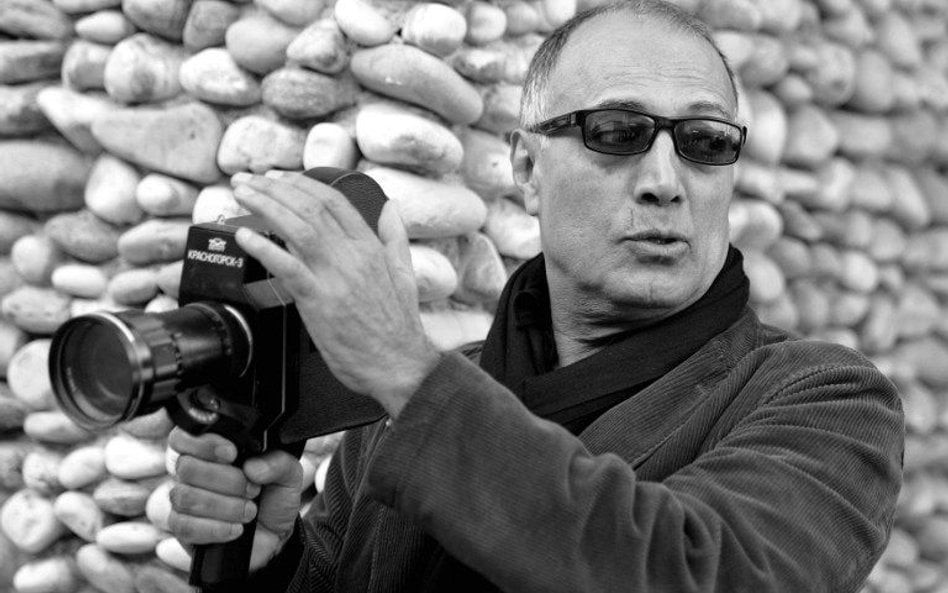
From the McCarthyism era in the West to Mao’s Cultural Revolution in the East, films and filmmakers have been at the discretion of their governments. The censorship mechanism in Iran especially resembles the US censorship era, except it is state-controlled like China. One is left to wonder and ask how Iranian cinema thrives in such hostile conditions. One of the main causes includes a vehement rejection of Hollywood films and Western values, while a surge in auteur films. In such an environment, a filmmaker is left with no choice but to simultaneously accept the regime’s conditions while discreetly resisting. Not only does the filmmaker actively negotiate at multiple levels, but they also self-censor due to the ambiguity and uncertainty of the process. Despite overcoming these difficulties, the film is hardly true to its essence; it often bears the marks of censorship claws.
The decade following the 1979 revolution saw the imposition of highly restrictive censorship laws in Iran with women completely vanishing from the screen in the early 1980s. Directors turned to various substitutions, such as war and action films set against the backdrop of the Iran-Iraq War in the same decade, and the children’s film genre. Hamid Naficy, a leading scholar of post-colonial cinema, observes that children replaced women as ‘delicate and beautiful elements’. This decade saw increased government promotion of such films.
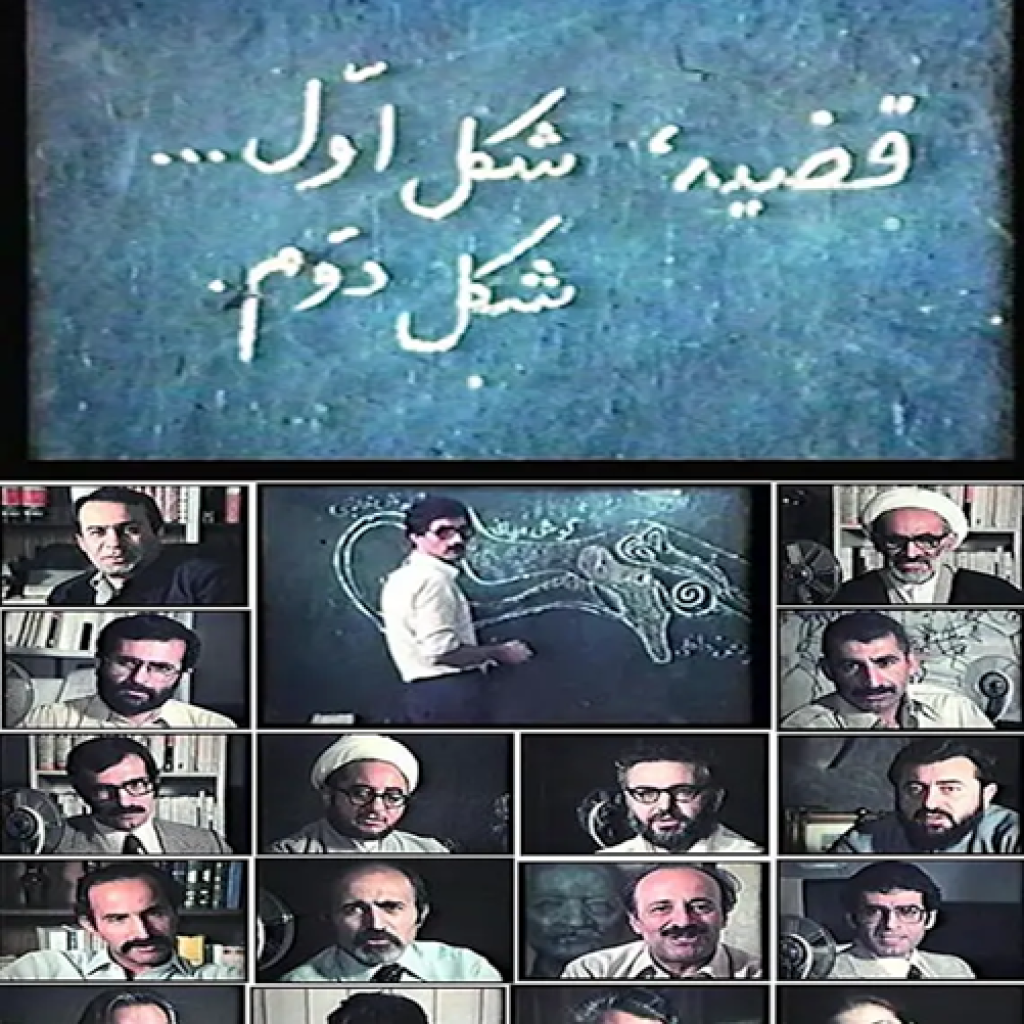
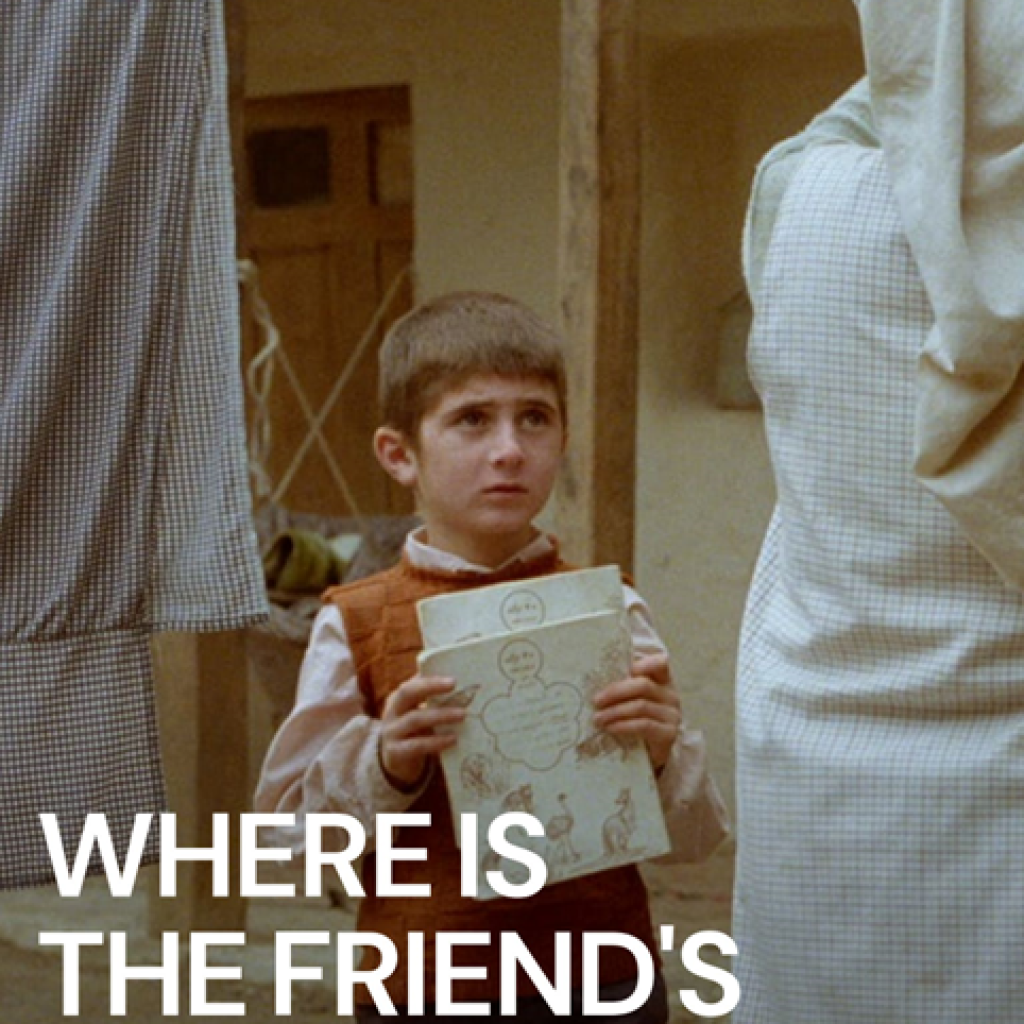
Abbas Kiarostami’s films came to the fore during this time. First Case, Second Case (1979) stages a classroom conflict in which a teacher expels disruptive students. But the film goes beyond itself to reveal a legitimacy crisis and a question of authority. As film historian Alberto Elena put it, “Rather than a lesson, this film in particular is certainly a reflection on order.” Where is the Friend’s House, released in 1987 after almost eight years of waiting for approval from the Ministry of Culture and Islamic Guidance, and Homework, released in 1989, depicted young children. Both films revolve around the Iranian education system. It is like Kiarostami addressing socio-political grievances and structural inadequacies of the system through children to avoid the censorship blade.
PC: Kiarostami Foundation
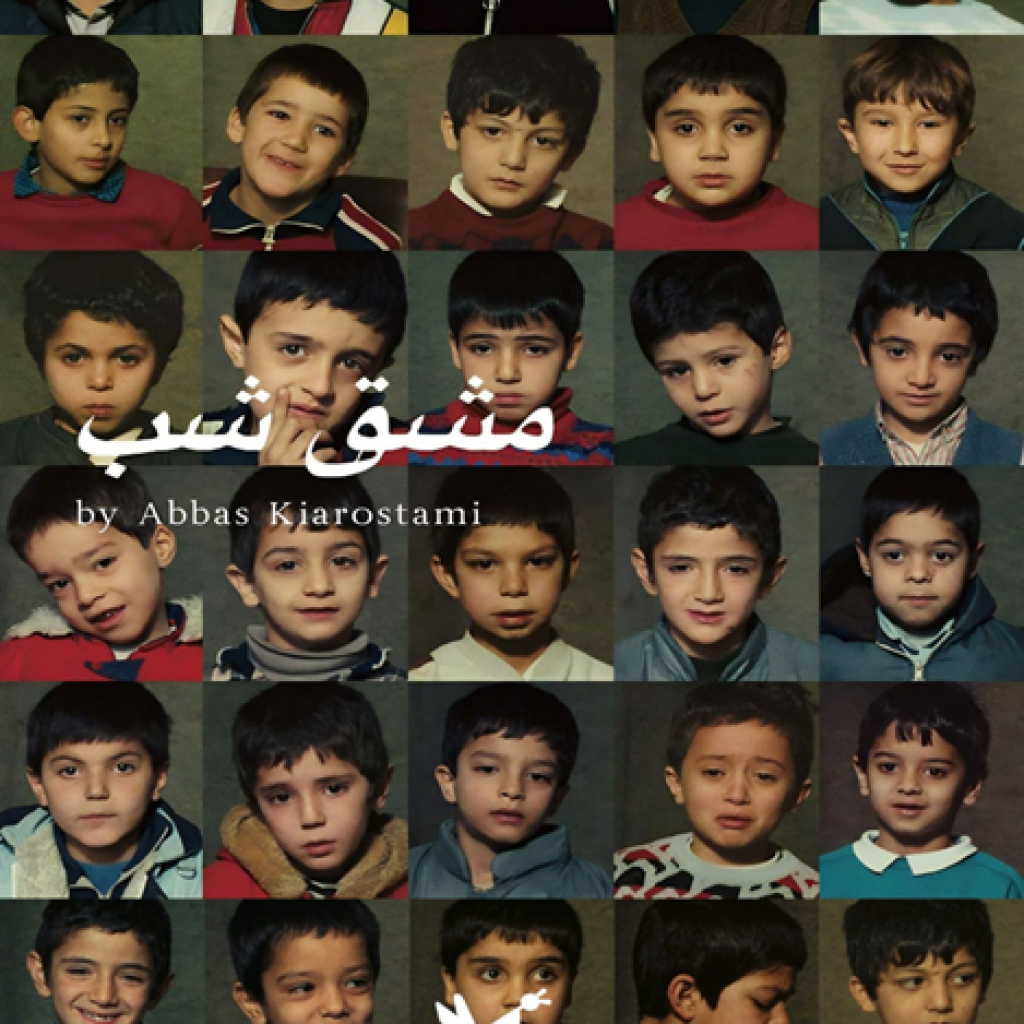
Kiarostami’s films, especially the Koker Trilogy (1987-1994), brought the Iranian countryside, largely untouched by technology, to the attention of the general public. The usual depictions of angry bearded Iranian men and oppressed chador-clad Iranian women were replaced by beautiful images of the peaceful countryside, challenging the West’s perception of Iran. His films are also a window into everyday Iranian households, especially rural ones. They portray an almost poetic image of Iran, in contrast to the diabolical prejudices prevalent in the mainstream media. Iran, as cinematically captured by Kiarostami, comes across as any other developing country in the global south, struggling with issues such as poverty, the rural-urban divide, economic disparity, gender inequality, developmental challenges, and technological advancements, while battling Western values, especially those of urbanisation and modernisation.
PC: Asianfilmfiles (X.com)
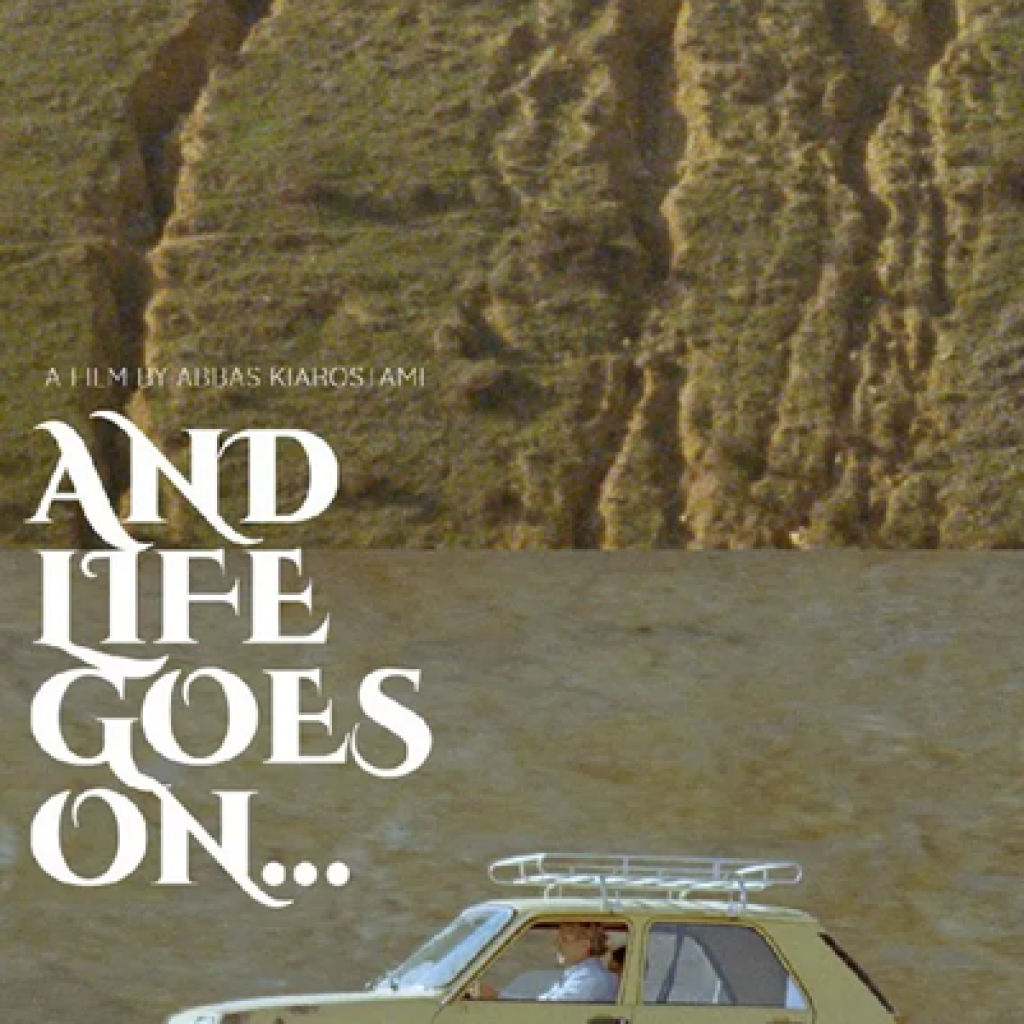
Kiarostami’s films serve as cultural artefacts and reveal to us the socio-political landscape of a side of Iran that is barely touched upon in mainstream discourse. Despite censorship and other hardships, the filmmaker refused to leave Iran. In a conversational interview with Shiva Rahbaran for her book Iranian Cinema Uncensored, Kiarostami opens up about how he borrows his creativity from the Iranian people and Iranian soil. Perhaps this was Kiarostami’s resistance to a disorderly order, not to leave but to show the truth of Iranian society through his breathtaking cinematography. To show us an Iran that hardly makes headlines.
PC: Prime Video
Iranian cinema is by no means a monolith. Filmmakers frequently engage in debates concerning cinema, society and the regime. While many see revolution as a moment of cultural transformation in Iran, others resist this perspective to preserve the cultural history of pre-revolution Iranian cinema. While there are filmmakers who believe in putting on screen the most repressive and regressive aspects of Iranian society, others protest the idea, stating that it does more harm than good, reinforcing the Western stereotypes and giving another opportunity to the West to assert its supremacy over the East. Iranian cinema continues to evolve and gain popularity amidst these differences, debates, and censorship.
PC: The Garden Cinema
In the age of the internet and quick downloads, cinema has played a prominent role in shaping Iran’s identity globally. Iranian films have evolved from surrealist, escapist themes during the Shah’s rule to realist – raw, unfiltered, and lacking in theatrics – under the Islamic regime. Most Iranian filmmakers approach filmmaking with a sense of commitment to Iranian society and a form of resistance to authorities. In Kiarostami’s words, “Most stories begin before we arrive and finish after we leave.” Stories are nothing but resistance to hegemony and a quest for truth, which is an ever-evolving entity, never fixed or static. And as Theodor Adorno cautions against confusing art with reality (of the world), he assumes art is a particular reality — art manifested as films is nothing but pockets of freedom in a society grappling with freedom of expression.