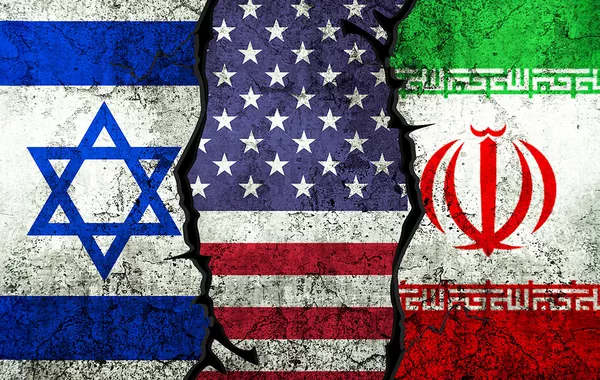

The recent talks between the Iranians and the Americans in Pakistan grabbed global headlines. Dubbed the Islamabad Talks, the intense direct negotiations between the two sides, a first in 47 years, however, failed to deliver any tangible results except a fragile ceasefire. The fragility was expected, given the deep mistrust and a sense of asymmetry between the two sides, thereby exposing the limitations of mediation. What is problematic and a major hindrance is US President Donald Trump’s belief that his method of madness is, in itself, a self-sufficient policy for achieving comprehensive results. However, the world does not work along that logic, and his amazing two days of signalling that the indirect messaging through Pakistan has a high probability of materialising into an agreement failed spectacularly.
The Iranians have stated that they do not want to engage in further talks with the US, citing violation of the ceasefire, unending rhetoric and coercive public posturing that differentiates with its private positions. Certain key points of partial negotiation have included the duration of the moratorium on the Iranian nuclear program, control of the Strait of Hormuz, sanctions relief, and a Lebanon ceasefire. There have been clashes over “maximalist” demands, giving the impression that any compliance seems like capitulation and strategic defeat, with no room for a zero-sum game.
The second round of talks did not bring any major breakthrough. Trump shifting objectives at different times, masking the continuation of war, in Clausewitz’s definition: “ a mere continuation of politics by other means,” reflecting the limits of diplomacy amidst persistent violence. The Iranians understand that their chances against the US-Israel duo are limited in this asymmetrical warfare. The US has to fight and defeat Iran, while the Iranians have to survive to win, though it is easier said than done.
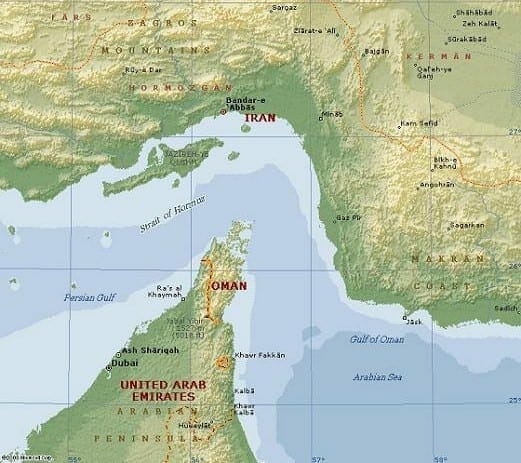
The Iranians’ Clausewitzian “means” is to weaponise the Strait of Hormuz apart from conventional use of force, including ballistic missiles and non-conventional drones. Tehran’s weaponisation of the Strait of Hormuz is an act of defiance and a new war strategy for its survival that might change the future strategic value of Hormuz. Consequently, the US returned to the negotiating table after failing to achieve either military or political objectives, including regime change. Their ill-planned war strategy is now aiming for an exit through indirect negotiations.
The Hormuz crisis became the motherboard of all troubles and might be Trump‘s Achilles Heel. Considering its vital importance, the transit route for one-fifth of the oil and liquified natural gas (LNG), the pressure was acute for the superpower to realise its failure to stop Iran’s blockade of Hormuz and its serious implications might also be Trump’s Achilles Heel. The Iranians have severely disrupted global oil markets and reshaped supply chain management.
The weaponisation of Hormuz has given Iranians a perfect weapon of survival, thus bringing a war of attrition for all. This will open the door to many crises involving other strategic waterways, including Bab al Mandeb in the Red Sea. Tehran has already started playing the Bab al-Mandeb card as an ‘economic war’. This might be vital for future regional conflicts if the war continues. The US, already under an off-ramp, might have to deal with new problems in the Gulf of Oman, the Persian Gulf, and the Bab al Mandeb.
The weaponisation of the Strait of Hormuz has made the entire Gulf nervous and under extreme pressure, filled with a security dilemma. The Gulf states, which were using the waterway to ship their oil and gas now awaiting a new barrage of war involving the Iranians. The United Arab Emirates, in particular, has called it economic terrorism. Further, if rumour becomes policy, paying a toll to the Iranians will further strengthen them economically. A strong Iranian economy and military, along with the axis of resistance, will be a source of paranoia for the entire world.
Ironically, the Gulf states have realised that the US guarantee didn’t rescue them. They have fewer bargaining chips against Iranian. Iranians have been bombing critical energy infrastructures with almost impunity, sending a shockwave to the Gulf nations. Iran’s relations with Gulf states have hit rock bottom after its attacks on both their US military bases as well as energy infrastructure — developments which are raising concerns among the global investors who had arrived in GCC states with the assurance of security and stability. It may be noted that the UAE has adopted an activist approach seeking to play a role in the US mission to end the Iranian blockade on Hormuz by force. But it has been a difficult proposition for US allies to commit to this mission, given emerging distrust in American capacity to resolve the crisis sooner.
Finally, the regional security architecture will be undermined because of this concession. The US bases in the region have turned from assets to targets in the US-Israel war with Iran. The conventional US forces, fighting with superior naval and airpower, cannot control strategic chokepoints on economic waterways, which raises concerns for the GCC. Any further engagement leading to casualties would create problems for Trump mid-term elections needless to mention his approval rating is already at rock bottom.
Trump’s madness has brought a self-inflicted injury; a certain political isolation, even among allies from continental Europe and beyond, including India. His post on Truth Social, against NATO and his strategic allies, expressing his frustration, has unleashed a new order in the making. The Europeans have been clueless about how to deal with his madness and eccentric foreign policy choices; an uncertainty of monstrous proportions. Trump’s war on Iran has compromised its energy security. The war has impacted everyone, and the global economy has shown lasting consequences. Trump’s misadventure has raised crude prices by about 40 per cent as the Iran blockade has affected the supply of roughly 25 per cent of oil through the strategic waterways.
Woodrow Wilson once stated, “The effect of war can no longer be confined to areas of battle”. The American policymakers might have forgotten his statement, but the Iranians have taken the Wilsonian dictum more seriously. The Iranians have pressed hard on the US despite its massive clout, and taking the Hormuz crisis as leverage, demanding sanction relief, a fragile commitment on the nuclear program and releasing of their frozen assets. The hawkish blockade strategy by both powers has created another flashpoint and a seed for future conflicts. Hormuz has now potentially become an Achilles heel for the US, a defeat in a pointless war with unimaginable consequences.