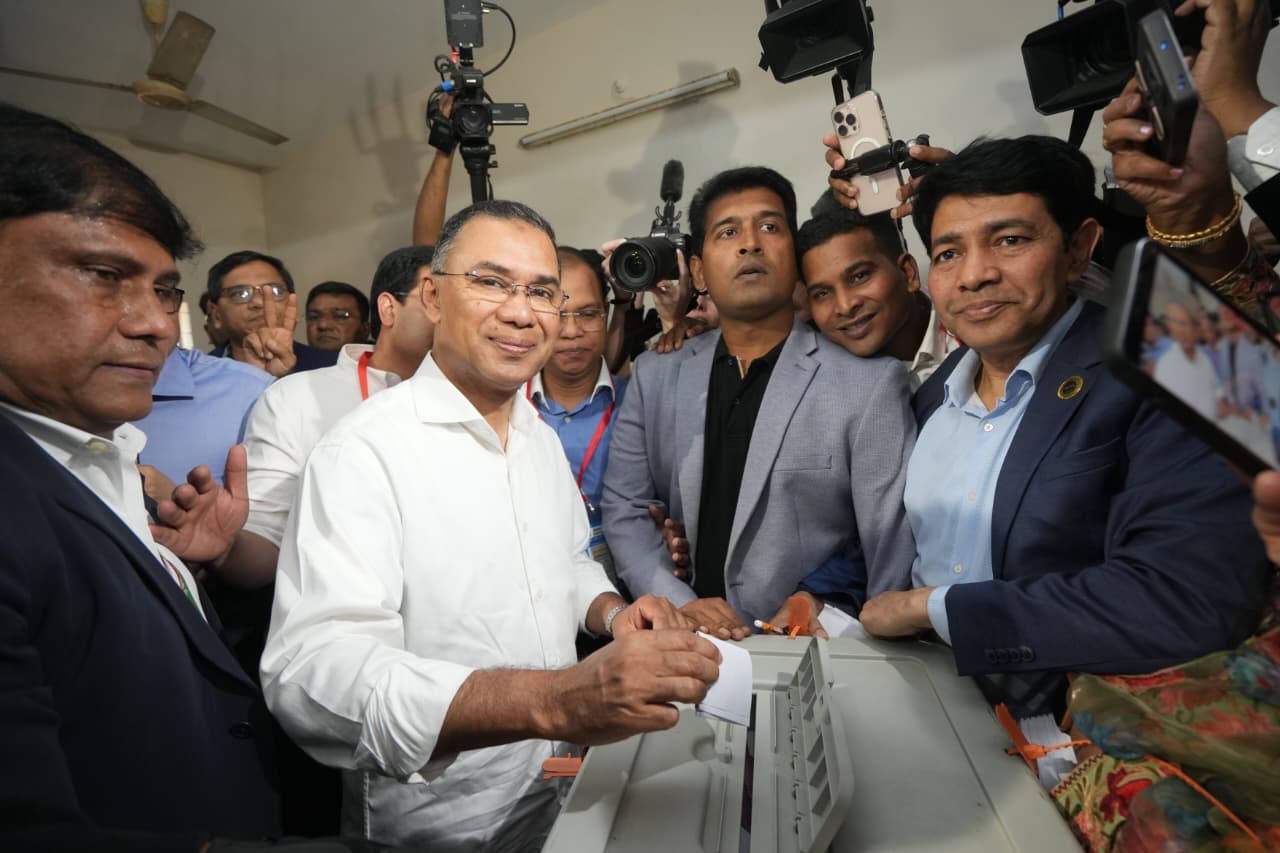

The much-awaited Bangladesh’s 13th national election, held on 12 February, was hailed as ‘historic’ for marking the first election since the ouster of Sheikh Hasina in the 2024 July Uprising. The election has been unique for many reasons, including the non-participation of Awami League because of the ban on party activities, two former electoral allies, Bangladesh Nationalist Party (BNP) and Jamaat-e-Islami (JeI), contesting against each other, and a GenZ-focused election, shaped by 56 million young voters (18-27) (44 per cent) and almost five million first-time voters. The country gave a resounding mandate to BNP, which won two-thirds of the seats, while its rival, the Bangladesh Jamaat-e-Islami-led 11-party alliance, secured 78 of the 300 parliamentary seats. Congratulatory messages have already poured in from India, Pakistan, the US and China for BNP chairman Tarique Rahman, who is set to become the country’s prime minister.
Given the long democracy deficit in the country, this election prioritised an all-inclusive reform-based democratic restoration. Post-Hasina, both BNP and Jamaat underwent a revival, imbibing the aspirations of the July Uprising, and even reaching out to minority communities that have been facing increasing violence since July 2024. Meanwhile, the student-led National Citizens’ Party (NCP) formed in February 2025 emerged as the ‘Gen Z party’ to fulfil July aspirations, gained sufficient political optimism and support base in its initial phase, which eventually waned due to internal fissures, political inexperience and urban-centric reach, organisational weakness and finally, its decision to join the Jamaat-led alliance in December 2025.
On the other hand, both Jamaat and BNP carried significant baggage—the former for its controversial history in the 1971 War, the latter for its longstanding graft and extortion allegations during its 2001-06 political tenure. Until early January, a pre-poll opinion survey indicated a close contest between BNP and Jamaat, with many undecided. The survey indicated favourability towards the Jamaat for its politically clean image, while the BNP for its past governance experience.
The undecided voters, however, proved decisive in the poll outcome, leaning towards the BNP. This also includes the League voters in Awami League strongholds. While BNP has been the only one to publicly assure local Awami supporters and activists of safety if they have no criminal record, both BNP and Jamaat attempted to woo League supporters secretly in these strongholds, promising relief to those with criminal charges in exchange for votes.
Not just the undecided, but the latest pre-poll survey also revealed previous Jamaat-NCP supporters shifting towards the BNP, possibly due to NCP joining the Jamaat alliance, Khalida Zia’s death in December 2025 giving BNP a sympathetic boost and its transactional promises of ‘direct benefits’ like family and health card that appealed to public more than Jamaat’s promise of ‘ethical governance’.
Jamaat-e-Islami, nonetheless, gained prominence in this election, securing 68 seats (31.76 per cent of vote share), its highest since the 1991 election, when the party secured 18 seats (12.13 per cent of vote share). The oldest Islamic party dominated in divisions bordering India, Khulna and Rangpur, its traditional strongholds, where anti-India and anti-Hindu sentiments run higher historically. Jamaat’s political comeback in bordering areas now adds to India’s apprehension of border security risks and attacks on minority Hindus in these divisions.
In India, this electoral competition was between parties (the BNP and the Jamaat-NCP alliance) known for their strong anti-India disposition. The main political contenders, notwithstanding the ideological differences, collectively held “Indian hegemony” responsible for Dhaka’s present democracy deficit. BNP won this election under the banner of “Bangladesh First-Friend yes, master to none”, its 51-point manifesto states that the country’s foreign policy priorioties includetaking effective measures to claim fair share of water from common rivers like Teesta and Padma, strict position on stopping border killings and border push-ins, strategic partnership with Muslim world and revival of SAARC and efforts to gain ASEAN membership.
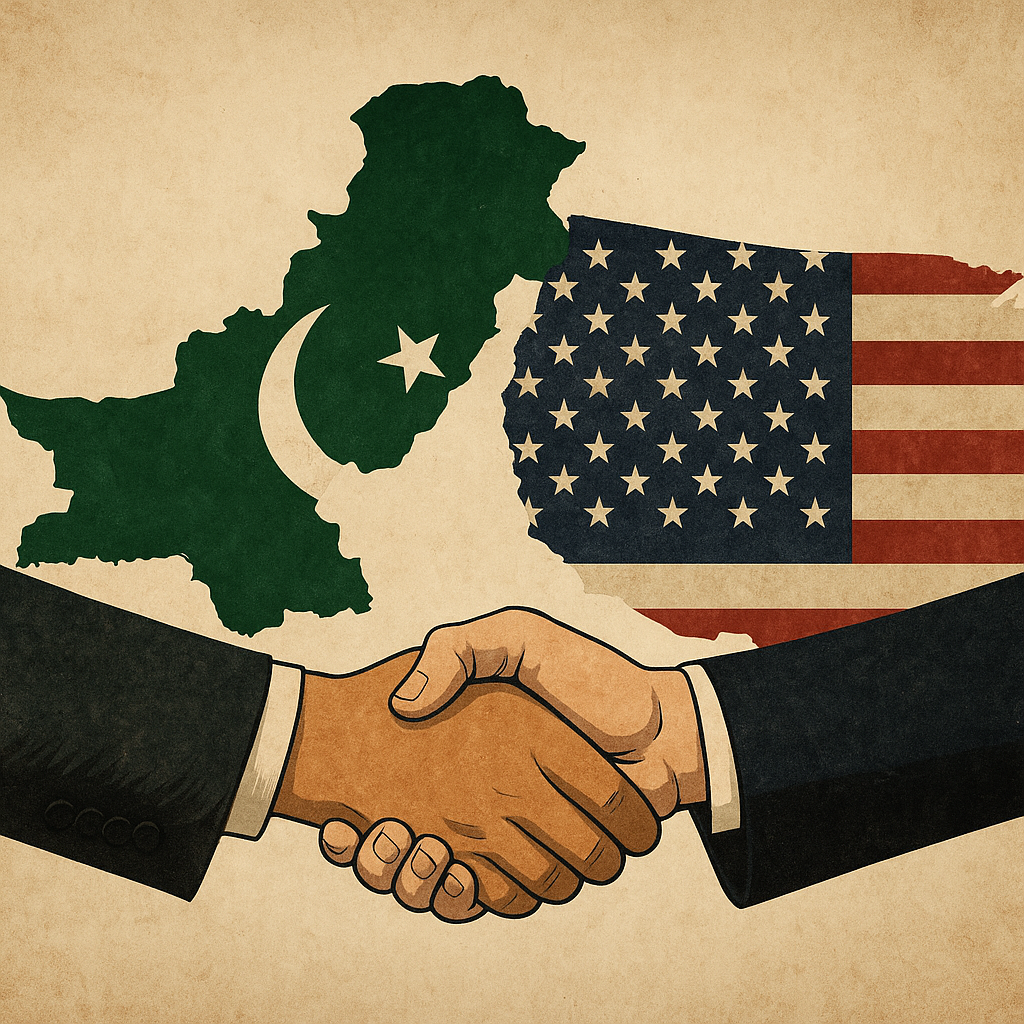
BNP chairman Tarique Rahman launched the party’s official electoral campaign with the slogan “ Na Pindi na Dilli, Shobar Aagey Bangladesh [Neither Rawalpindi (Pakistan), Nor Delhi (India), Bangladesh First]”, positing BNP as a patriotic, nationalist party that would make Bangladesh self-reliant, and not “enslaved” to any country, a state before the 2024 July Uprising.
In its first post-election press conference, BNP has already stated its decision to make a formal request to New Delhi for Sheikh Hasina’s extradition and its interest in reviving SAARC. While BNP signals its government will ‘constructively engage’ with India, bilateral relations will likely face challenges over competing issues, especially water sharing, border, and security concerns. It remains to be seen whether Bangladesh’s political reset marks a fresh start for the country and whether it can end the post-Uprising diplomatic chill between India and Bangladesh.