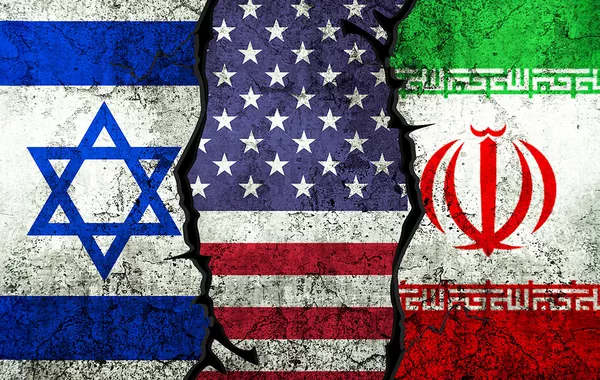

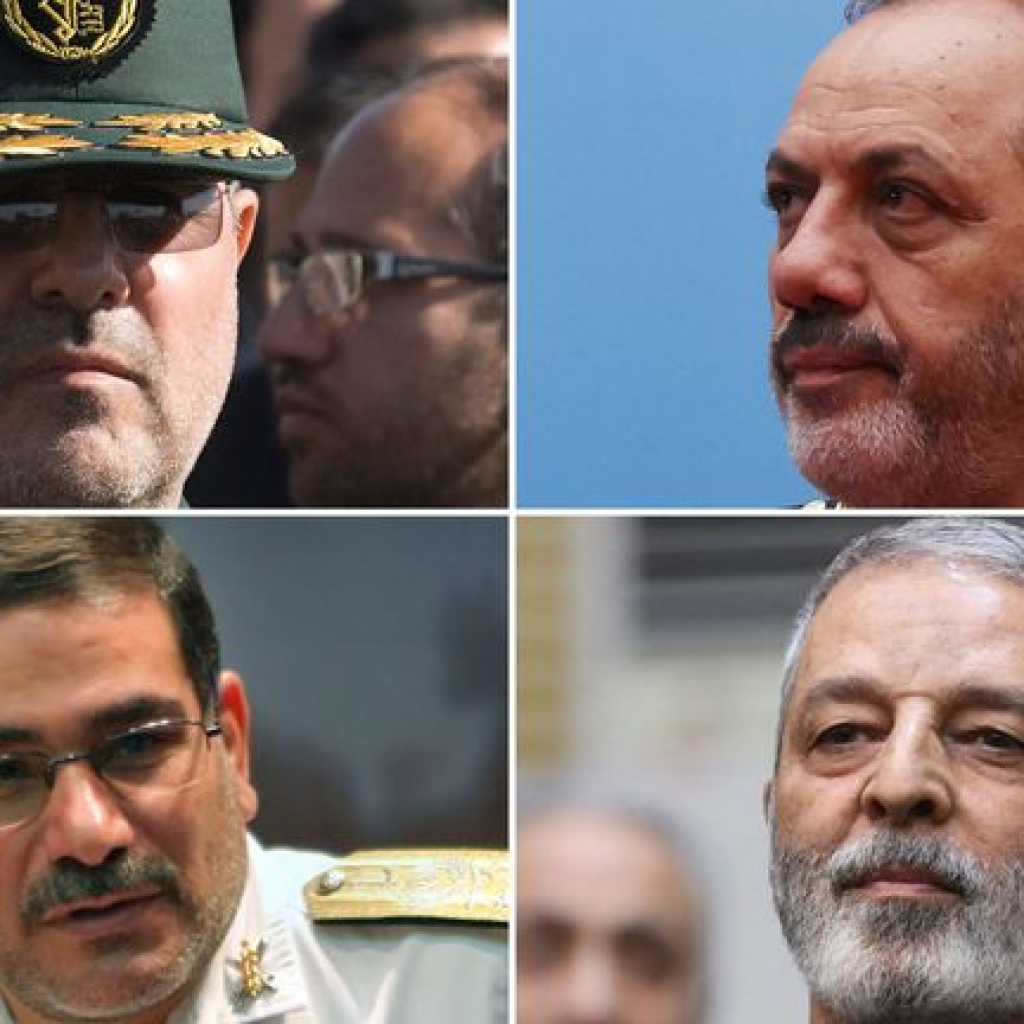
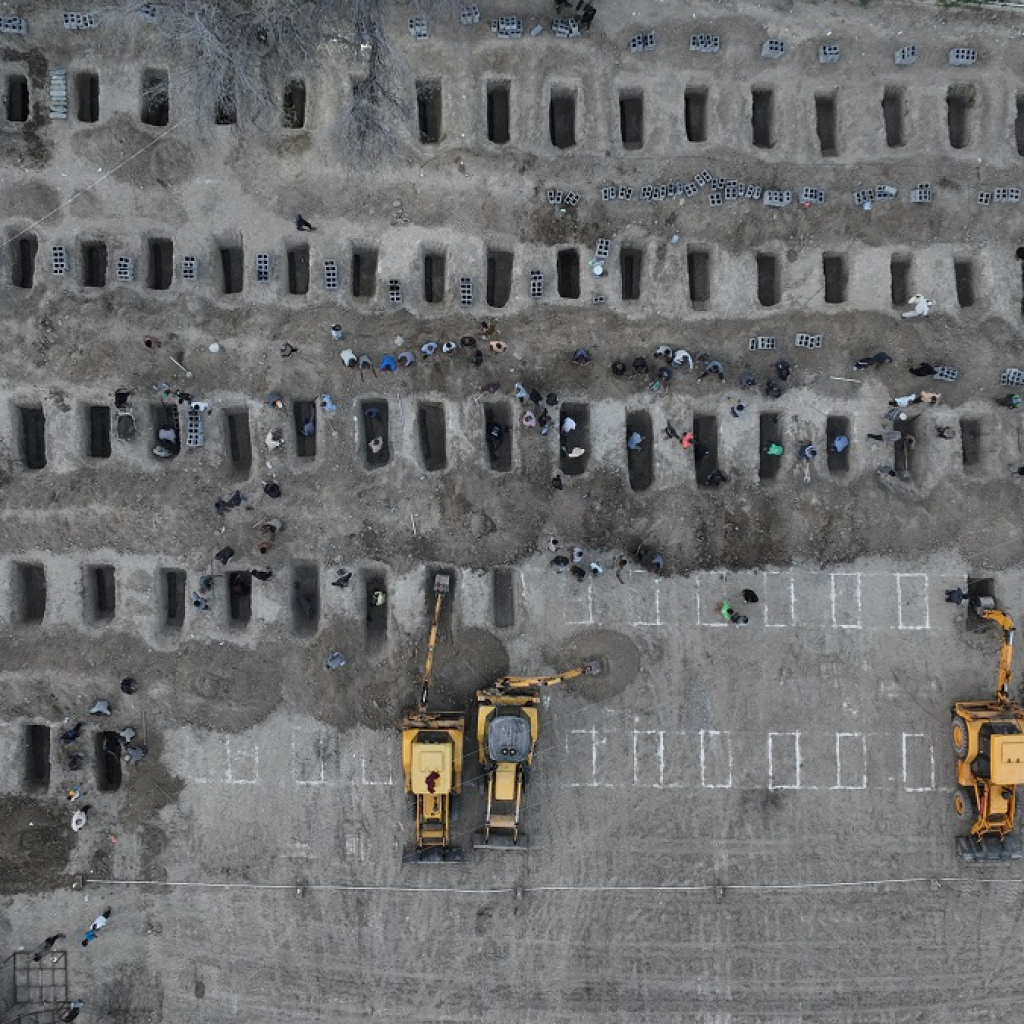
The Middle East has again descended into yet another crisis with the United States and Israel imposing a second war on Iran within a year and pushing the region into what is gradually turning into its most dangerous confrontation in decades. The initial American and Israeli air strikes on February 28 targeted Iranian government installations in Tehran and assassinated Supreme Leader Ayatollah Ali Khamenei along with several senior government officials. Those killed included his key adviser Ali Shamakhani, Iran’s Defense Minister Nasir Nazizadeh, Islamic Revolutionary Guard Corps (IRGC) commander Mohammad Pakour, and Armed Forces chief Abdolrahim Mousavi, among others. The American forces also targeted an elementary girls school in Iran’s Minab region the same day, killing 168 children aged 6-12, predominantly girls.
The initial US-Israeli strategy banked on decapitating the leadership of the Islamic Republic believing such a blow would result in unravelling the Iranian political system that they have long viewed as irredeemably hostile. However, nearly two weeks into the war, this American-Israeli calculation has proven dangerously flawed as the Islamic Republic has not only withstood the aerial bombardment that has killed over a thousand civilians but has people rallying around the flag. In addition, the conflict has widened and regionalized engulfing the Gulf region as well as Lebanon, thereby raising questions about whether the U.S. and Israel fundamentally misread both Iran’s political resilience and the regional consequences of their actions.
A War Launched by US-Israel in the Shadow of Diplomacy
Like last year’s 12-day June conflict, this war also began in a specific diplomatic context. The American and Iranian officials were engaged in intense negotiations through Omani mediation at Geneva to decide on the contours of a nuclear deal even as the U.S. started its military buildup in the region. As per Oman’s Foreign Minister Badr bin Hamad Al Busaidi, who acted as a mediator, the two sides were close to finalizing an agreement on Iran’s nuclear program.
Just hours before the US-Israeli attacks against Iran began on February 28, Al Busaidi appeared before a US-based television channel CBS, it seems in a last-minute desperation, pleading that “a peace deal is within our reach” provided space was given to diplomacy. The Omani FM was quick to highlight that Iran had already accepted broad concessions with regards to its nuclear activities, including accepting limits to its enrichment levels, converting existing enriched uranium into non-reversible nuclear fuel, and allowing for monitoring of its activities by inspectors of the International Atomic Energy Agency (IAEA), possibly with American involvement.
In other words, Iran was at the negotiation table giving diplomacy yet another chance even as the U.S. continued its military buildup including moving major naval assets such as aircraft carriers USS Abraham Lincoln and USS Gerald R. Ford into the region. While many observers interpreted this military buildup as coercive diplomacy designed to pressure Iran into accepting American terms, given last year’s mid-negotiations attacks by Israel, followed by the U.S., it did suggest something larger might be underway. But America played a similar ploy and torpedoed diplomacy and a possible deal, as per the Omanis, by launching a war without even waiting for the negotiations to conclude. Such a series of events only serves to reinforce a long-standing suspicion that negotiations with Iran were not so much about diplomacy but as a tool of strategic pressure or even deception.
The Decapitation Strategy of US-Israel
The logic of the opening strikes was unmistakable. Washington and Tel Aviv sought to decapitate Iran’s leadership structure in a single, devastating blow. By killing the Supreme Leader and the top tiers of Iran’s political and military command, they appear to have hoped that the Islamic Republic would fragment internally, triggering chaos that opposition forces could exploit.
Israeli Prime Minister Benjamin Netanyahu made little effort to conceal the political ambition behind the operation. In announcing the campaign, he described its purpose as ending what he called the “Ayatollah regime.” Addressing the Iranian public directly, he declared: “This is your opportunity to establish a new and free Iran. Take your destiny into your own hands. Help has arrived.”
President Donald Trump framed the strikes differently but with equal initial clarity, arguing that the operation was necessary as “this terrorist regime can never have a nuclear weapon” while accusing Iran of attempting “to rebuild their nuclear program and to continue developing the long range missiles that can now threaten” American friends and allies as well as U.S. troops in the region. However, Trump and American reasoning have since shifted repeatedly as the war drags on from nuclear programme to regime change to degraded military capacity and so on.
However, the rationale offered by Washington and Tel Aviv for attacking Iran is not tenable under critical analysis. Firstly, Iran’s nuclear program has been under international monitoring since the early 2000s. Secondly, despite initial reticence, Tehran signed the Joint Comprehensive Plan of Action (JCPOA) in 2015 – a multilateral deal with U.S. and other major powers under UN auspices – and agreed to severe restrictions on its nuclear activities including limited uranium enrichment at 3.67 per cent with a cap on stockpiling low-enriched uranium fuel to 300 kgs. Despite acceding to such scrutiny, it was not Iran but the U.S. during Trump’s first presidential term which withdrew from the agreement in 2018.
Thirdly, even after the American withdrawal, Tehran continued to comply with the deal’s restrictions, a fact repeatedly verified by the IAEA and acknowledged by European signatories of the JCPOA. It must be noted that Iran did restart its enrichment activities gradually in recent years as notified by IAEA with some reports suggesting up to 60 per cent. However, IAEA inspectors retained access to monitor the country’s nuclear sites and concluded in several reports that there were no signs of Iran weaponizing the programme despite reducing its JCPOA commitments.
And fourthly, Tehran returned to negotiations last year which were torpedoed by Israel unilaterally attacking Iran, following which the U.S. also followed suit and claimed to have “obliterated” Iran’s nuclear programme by targeting sites such as Fordow, Natanz and Isfahan. Despite that, it again came to the table and, as Oman’s FM said, offered the biggest concessions ever this time in an attempt to resolve the dispute diplomatically. Therefore, when analyzed against this backdrop, the US-Israeli argument that war was necessary to prevent an imminent nuclear breakout does not hold.
Netanyahu’s Long-Sought War Against Iran
Another element complicating the narrative of defensive necessity is the long-standing desire among Israeli right-wing leadership, led by longtime Prime Minister Benjamin Netanyahu, to strike Iran, effect regime change and change its very cartography by balkanizing it to render it too weak to challenge Tel Aviv’s hegemony across the Middle East.
For decades, Netanyahu has projected Tehran as an existential threat to Israel. In remarks made shortly after the war began, he openly acknowledged how long he had sought such an operation. “This coalition of forces allows us to do what I have yearned to do for 40 years: smite the terror regime hip and thigh. This is what I promised – and this is what we shall do,” he said.
Iran, for its part, despite decades of rhetorical hostility did not launch a direct attack on Israel. It is true that Tehran has supported groups such as Lebanese Hezbollah and Palestinian Hamas which have engaged in violence against Israel, but those have their local contexts and have to do with Israel’s own hegemonic conduct in its neighbourhood including the continued occupation of Palestinian lands and hindering the establishment of an independent Palestinian state. As such, the absence of direct confrontation has long been cited by Iranian officials as evidence that their country does not seek open war.
American-Israeli Misreading of the Iranian State’s Resilience
Perhaps the most significant miscalculation, however, lies in the assumption that killing Iran’s top leadership would cause the Islamic Republic to collapse. This assumption appears to have underestimated both the institutional depth of the Iranian clerical state and the political dynamics of societies under external attack.
Instead of imploding, Iran’s military apparatus led by the Revolutionary Guards (IRGC) has continued to function with surprising cohesion. They have successfully launched dozens of waves of drones and ballistic missiles toward Israeli territory as well as American military installations across the Gulf states besides Iraq, Jordan and Azerbaijan. These tit-for-tat attacks demonstrate how the scope of war widened and transformed into a regional crisis of global ramifications.
Part of Iran’s resilience appears to stem from its decentralized military doctrine. Over the years, Iranian strategists have developed what analysts call a “mosaic defense” strategy, in which command authority is distributed across multiple regional units capable of operating independently if central leadership is disrupted. As a brief from Soufan Center notes, “The strategy of ‘mosaic defense’ allows region-bound semi-autonomous IRGC units to call upon Basij forces during times of crisis, thereby enabling a multi-level defense strategy that is highly efficient at responding to emerging threats and largely unfazed by decapitation strikes. Every unit effectively has a full ‘military’ to its disposal, with its own intelligence capabilities, weapons stockpile, and command-and-control.” The result is a military apparatus that is far more difficult to disable than conventional hierarchies.
The Gulf Region in the Crossfire
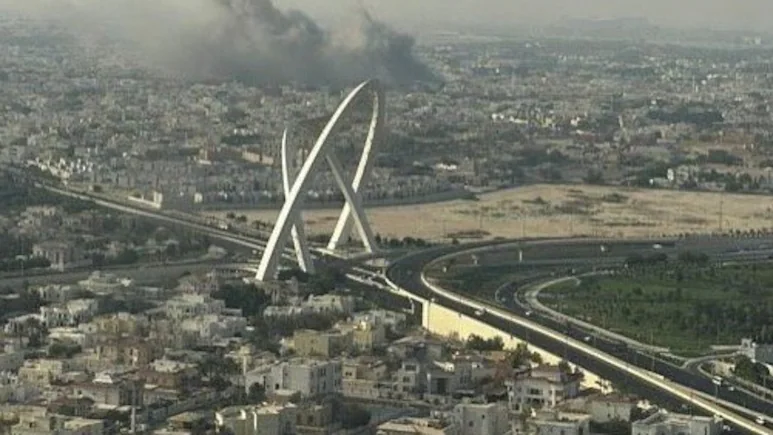
While the United States and Israel launched the war, it is the Gulf states that now find themselves in the direct line of fire as American military bases on their territories became primary targets of Iranian retaliation. Iranian forces have attacked Al Udeid Air Base in Qatar, which hosts the forward headquarters of U.S. Central Command (CENTCOM), Al Dhafra Air Base and Jabel Ali Port (U.S. Navy logistics base) in UAE, Ali Al-Salem Air Base (U.S. Air Force logistics base)and Camp Arifjan (U.S. Army logistics base) in Kuwait, and NSA Bahrain linked to U.S. Navy’s Fifth Fleet, which is its main naval command centre for the regional operations. In addition, Duqm Port in Oman and Prince Sultan Air Base in Saudi Arabia have also been targeted along with U.S. military installations in Iraq and Jordan. Tehran has justified these attacks against its neighbours arguing that these facilities were not neutral territories but operational platforms used to launch attacks against the Islamic Republic.
Moreover, Iranian leaders have sought to reassure Gulf governments that their retaliation is directed solely at American military assets, with President Masoud Pezeshkian publicly emphasizing that Tehran does not seek confrontation with neighbouring states. In a televised address broadcast by Iranian state media,the Iranian president apologized “to the neighbouring countries that were attacked by Iran” and assured that “no more attacks will be made on neighbouring countries and no missiles will be fired unless an attack on Iran originates from those countries.”
But such assurances have done little to calm the regional anxieties since Iranian missiles continue to rain across GCC states at regular intervals. For Gulf governments, this unfolding situation exposes a painful strategic dilemma: they host American bases as part of long-standing security arrangements with Washington, ostensibly as deterrents. Instead, these very facilities now place them squarely within the theatre of war.
The perception that the United States prioritizes Israel’s security above all else has only deepened the sense of vulnerability. With the war showing no signs of ebbing and risking dragging more actors in, Gulf states seem to be discovering that the American security umbrella they have relied upon for decades offers less protection than they assumed. There is already widespread consternation in the region. For instance, the prominent UAE billionaire Khalaf al-Habtoor made a scathing attack on U.S. President Donald Trump, stating, “We know full well why we are under attack, and we also know who dragged the entire region into this dangerous escalation without consulting those he calls his ‘allies’ in the region.”
Escalation and Environmental Catastrophe
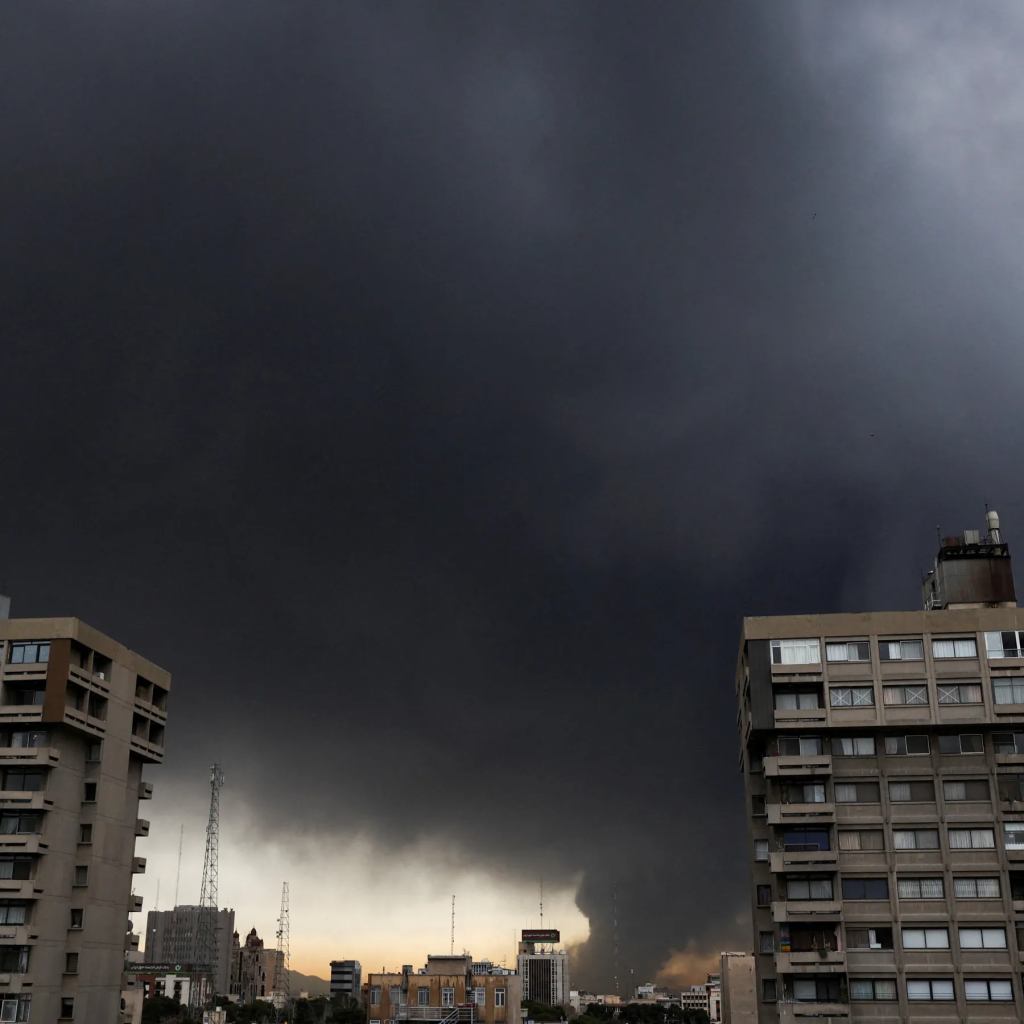
The war has already expanded with both sides now openly targeting critical civilian infrastructure, and with it unfolding a humanitarian and environmental disaster not only in Iran but across the region. While it may have started with Israel and the US, Iran seems to be retaliating in kind. For instance, when the Israelis attacked oil storage facilities around Tehran on March 9, it resulted in apocalyptic scenes by sending massive plumes of black smoke into the Iranian capital’s sky and triggering what local reports stated as acid rain in surrounding areas.
Elsewhere, the United States struck a desalination plant on the island of Qeshm on March 7, disrupting water supplies to thousands of residents in more than thirty nearby villages. It also set a precedent for such attacks, with Iran’s Foreign Minister Abbas Araghchi describing it as “a dangerous move with grave consequences” and that “the US set this precedent, not Iran.”
The day after the U.S.’s Qeshm attack, Bahrain reported Iranian forces had caused severe “material damage to a water desalination plant following an attack by a drone.” These demonstrated how quickly such tit-for-tat attacks on infrastructure can produce cascading regional consequences by blurring lines between military and civilian targets. And, in a region facing severe environmental stress, the destruction of critical civilian infrastructure, such as energy and water production and delivery systems, carries implications that extend far beyond the battlefield.
The U.S.-Israeli Illusions of Quick Victory
Netanyahu and Trump, the chief architects of this imposed war on Iran, may have imagined that a swift and decisive blow would remove Iran’s leadership, which would trigger political collapse. But it has revealed how the Islamic Republic remains more durable than its adversaries seem to have anticipated.
The killing of the Supreme Leader, the very head of the country, is such a moment that might have shattered many political systems, but it has not produced the internal breakdown that Washington and Tel Aviv expected. Rather, it appears to have very much strengthened the narrative of external aggression that Iranian authorities have long used to rally domestic support. This war has effectively elevated Ali Khamenei’s stature by making him a martyr, the most powerful symbol there could be in Shia imagery, and nearly at par with his predecessor Ruhullah Khomenei, the leader of the 1979 revolution who shaped the very contours of the Islamic Republic.
In the process, the war has destabilized the broader region and placed Gulf states in immediate danger with the risk of a prolonged confrontation and unpredictable consequences. It may be recalled how wars launched to reshape the Middle East have a long history of producing outcomes very different from those intended. If the past quarter century has taught anything, it is that military power alone rarely succeeds in remaking complex political systems. The current conflict may soon join that list of miscalculations.