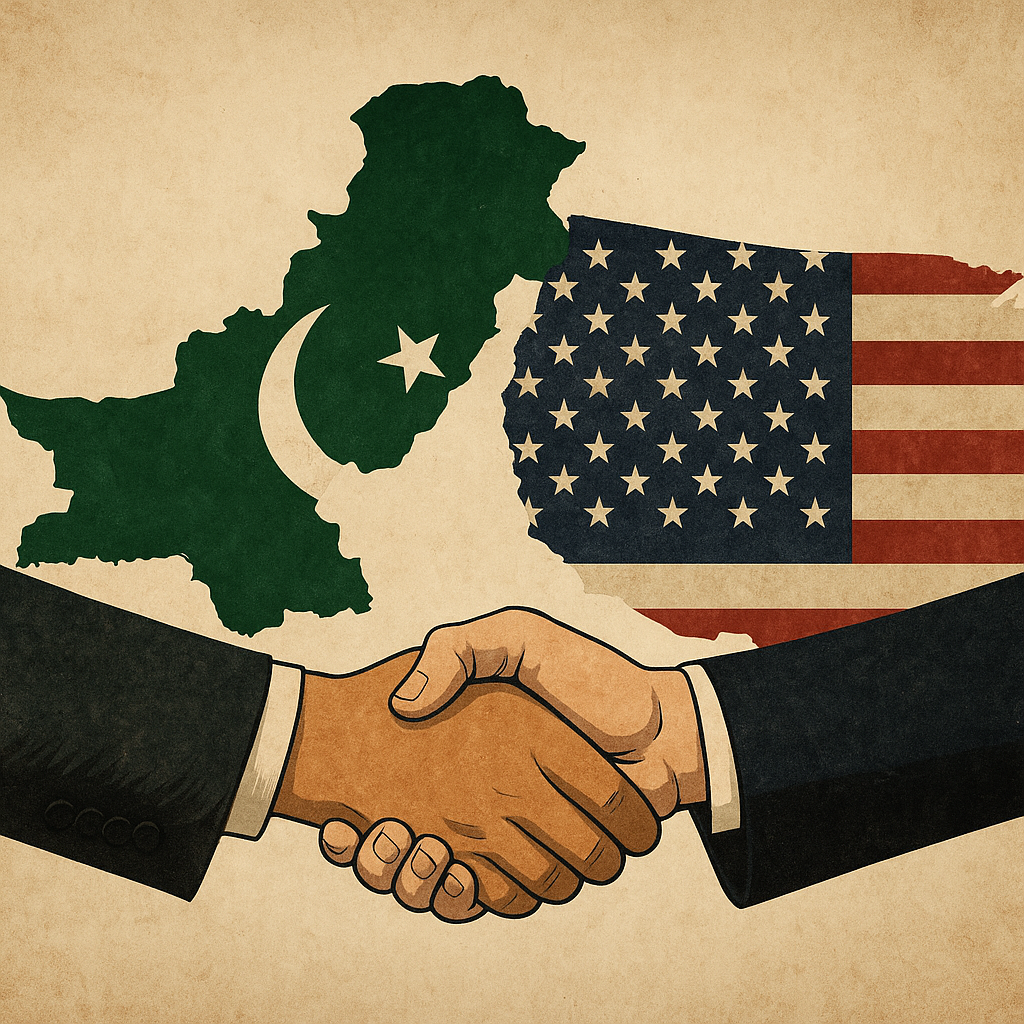
In December 2025, Pakistan advocated for a new South Asian bloc without India’s participation. The vision was articulated by Pakistan’s Deputy Prime Minister and Foreign Minister at the Islamabad Conclave in December 2025. The message was clear: expand the Pakistan-Bangladesh-China trilateral into a broader South Asian bloc excluding India to foster cooperation on trade, connectivity, technology, and shared interests across the region. Pakistan’s official position is to find an alternative beyond the Indian-centric South Asian bloc and to forge an open, multilateral forum based on mutual growth. Pakistan states that it is not directed against any third party. However, the proposal has been widely reported as a new shift in reshaping South Asian cooperation dynamics with a larger Chinese presence.
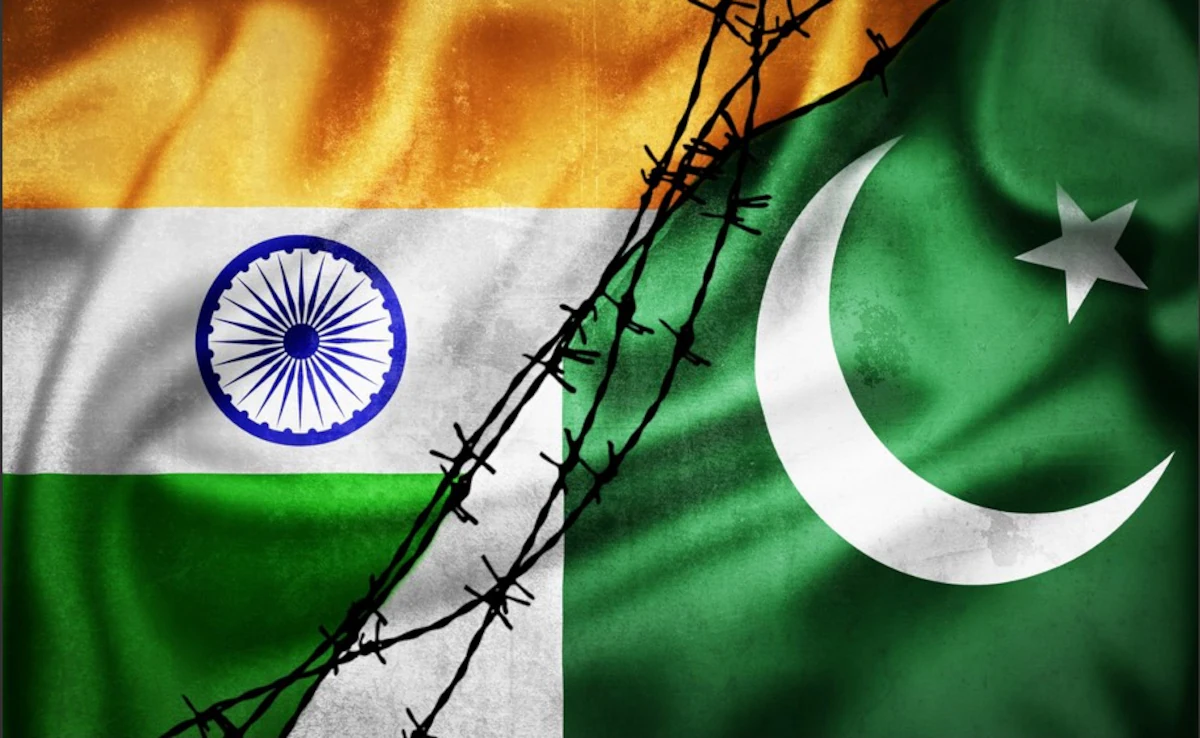
Pakistan’s push for a new regional bloc came amid the India-Pakistan rivalry, which has clouded the South Asian regional bloc, SAARC (South Asian Association for Regional Cooperation), and left it dormant for more than a decade, creating barriers to regional cooperation for all South Asian countries. SAARC was established in 1985 to foster cooperation among South Asian states. SAARC’s last formal meeting was in 2014 in Kathmandu, Nepal, and the next summit was supposed to take place in 2016 in Islamabad, Pakistan, but was postponed after India, along with several other members, withdrew following the Uri attack in 2016. Since then, SAARC has been inactive for more than a decade. Now, due to the stagnation of SAARC, South Asia remains one of the least integrated regions in the world in terms of trade, with intra-regional trade accounting for just $23 billion, or 5 per cent of total trade. Trade among South Asian countries has become so expensive due to a lack of infrastructure and coordination that it is 20 per cent cheaper for an Indian company to trade with Brazil than with a South Asian country.
It is within this context of weak regional cooperation that Pakistan is emphasising a new regional bloc. For this, Pakistan has already initiated a cooperation framework in the form of the Pakistan-China-Bangladesh trilateral, which can be further expanded into a new South Asian bloc. The first vice-foreign-minister/foreign secretary meeting of this trilateral between Pakistan, China and Bangladesh took place in Kunming (China) in June 2025. After the meeting, all three countries agreed to advance cooperation based on the principles of mutual trust, inclusiveness, and common development, and also agreed to form working groups to follow up on practical cooperation in key areas such as connectivity, maritime affairs, agricultural trade, and people-to-people exchanges.
Now, if SAARC inefficiencies explain why Pakistan is seeking a new regional alternative, the difficult question is whether Pakistan’s proposal is practical and feasible. Many analysts have already described Pakistan’s plan as political signalling more than a practical institutional project. Rabia Akhtar, a prominent security scholar, calls this idea of Pakistan “more aspirational than operational” and says it lacks political and economic groundwork. Some experts have also said that the proposal limits immediate operationalisation due to a lack of institutional and economic scaffolding, a necessity for the functioning of regional groupings. Beyond the stated experts’ opinion, Pakistan’s proposal faces three major obstacles: first, the Pakistan-China-Bangladesh trilateral itself is still in its infancy, and no financing or binding instruments have been established yet. Second, joining a China-led arrangement that sidelines India could entail commercial and diplomatic costs for other South Asian countries that rely on India for trade and connectivity. And the third, multilateral regional frameworks, require incentives such as projects, finance, and market access that had not yet been packaged in the Pakistan-Bangladesh-China trilateral to offset the political risks for hesitant capitals.
Cautious responses rather than enthusiasm from other South Asian states have contributed to the regional bloc’s operational challenges. One such response came from Bangladesh, which described it as “strategically possible,” but according to experts, this phrase is careful hedging rather than a firm alignment to balance its relations with both China and Pakistan. In contrast, other countries such as Bhutan and Nepal prefer inclusive regional frameworks to maintain their ties with India, signalling that they are uncomfortable joining any regional grouping that excludes India. Another major and strategically important Country of South Asia, Sri Lanka, has made mixed and transactional statements after Pakistan sent expired humanitarian aid for Sri Lanka, which resulted in huge criticism among Sri Lankan people and complicated Pakistan’s soft power case in Sri Lanka.
Another critical constraint is India’s overwhelming economic weight in South Asia, as the largest economy, offering stronger economic incentives for engagement with India rather than undermining its position. This structural reality will shape the choices of other South Asian states and make them reluctant to jeopardise India’s market for the sake of a politically selective grouping. The recent clash between Pakistan and Afghanistan in October 2025, which included heavy exchanges of fire and cross-border strikes, also puts barriers to Islamabad to promote a stable and outward-looking project.
Further, domestic and political challenges in states like Nepal underscore the region’s potential. Nepal’s domestic political changes in the aftermath of the 2005 mass Gen Z protest make it an unpredictable partner for any strategic grouping.
This broader overview, based on experts’ opinions, state reactions, and current scenarios, therefore argues that Pakistan’s proposal remains a flexible diplomatic instrument rather than an immediately practical and workable framework. Pakistan’s proposal is useful for signalling and building new project ties, but is constrained by the embryonic nature of the trilateral architecture, given the reluctance of some South Asian states, including its hostile relations with Afghanistan. This signifies India’s economic dominance in South Asia.
It overall reflects the new regional framework proposal, sidelining India, investing more in politics, her deep frustration, and historical rivalry than in a committed institutional blueprint. For China, the Pakistan-Bangladesh-China trilateral can be another opportunity to expand its regional hegemony. More broadly, China’s expanding footprint in South Asia has created new possibilities for South Asian states to reduce their overdependence on India, introducing great-power politics into the region. For Pakistan, China offers economic scale, geopolitical weight, and infrastructure financing. At present, no regional framework in South Asia can sustain without India, given its geographic and economic size, and any South Asian country bypassing India will face severe limits to economic logic and connectivity. Pakistan’s proposal is hugely ambitious but lacks credibility. It’s more noise and less substance.