Over the last century, waves of terrorism have consistently found new sets of principles, logic, and persuasiveness. The advent of modern barbarism, despite its roots in liberal ideas, still holds ground. Terrorism has been the most significant “target” of narratives, but it becomes critical when ideologies mix with modern artefacts; a recipe combining medieval mindset and modern technology, culturally produced. In our own fallacies, what lends a qualified sense of legitimacy across nations and religions is a continental challenge that defies any clarity coming from any so-called house of wisdom, whether it be from religion, nations, or ideological spaces.
Terrorism thrives because there is no consensus about what it is and why it is an enemy of civilisation. Yesterday’s horror scene in Australia, where ISIS sympathisers hounded the Jewish community despite receiving a modern education, living in a reasonable liberal space that safeguarded their interests, calls for a better argument that they were radicalised. A few months ago, India too saw a similar incident at Pahalgam, Kashmir, and make no mistake, there is hardly a day that passes when Muslims and Christians also don’t face acts of violence against them.
Barbarism, theirs and Ours: Unmasking the Pride
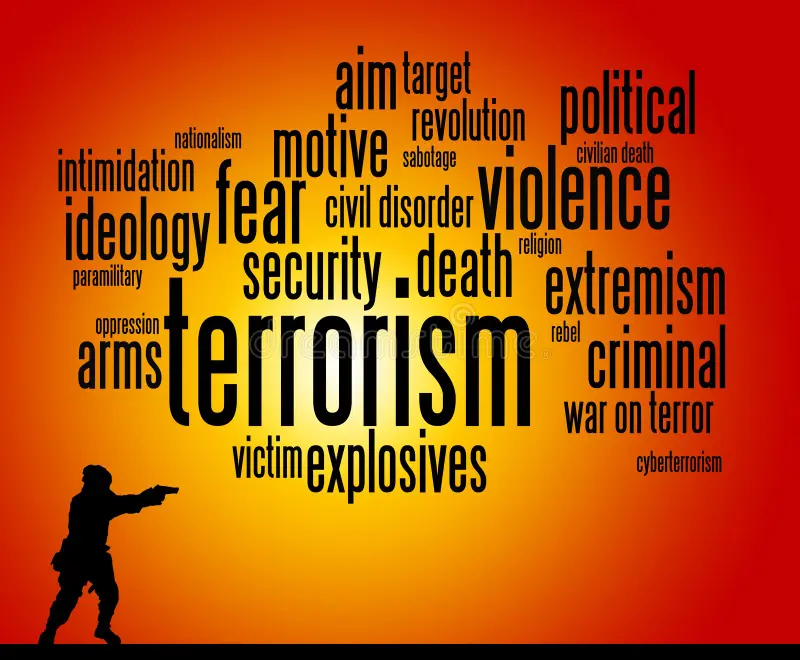
Terrorism has been mostly referred to as a barbaric practice, a form of political violence to achieve political objectives and also a narrow world view by a certain belief system that practises terrorism in the name of God. The problem, however, has been why, despite being an anti-civilisational force, it still gains both political and cultural legitimacy among all religions and societies that take pride in conservative ideas of nationalism. The psychology of it suggests that the perpetrator has a preconceived notion about being the victim before acting in the name of it.
The unsettled modernity created absurd synonyms with Western values and thus has created a binary, where the Western world has the last word in pronouncing what qualifies as terrorism. Modernity brings a set of human aspirations, a value system, and peaceful means of resolving anti-civilisational challenges. However, it didn’t happen as normatively as it was aspired to be, and rather became a victim of the power/knowledge system of thought. A Eurocentric worldview legitimised colonialism as a civilisational mission, but it brutalised many societies and their worldview and idea of life. The architecture of it and its horrible tendencies remain a cornerstone of US foreign policy across the world after physical colonialism ended amidst the rise of the UN and the emergence of post-colonial nations like India. The power of telling the world that terrorism can only be true if it goes against the Western value system doesn’t give an impression of what constitutes it. How Bin Laden became Bin Laden, what happened to the circumstances that created ISIS, and how Hamas and Hezbollah became a powerful organisation. Why does the US always support the non-democratic forces, arming terror groups by funding and supporting them in different ways?
Nationalism and Religion: The twin towers of clash between civilisation and absurdities
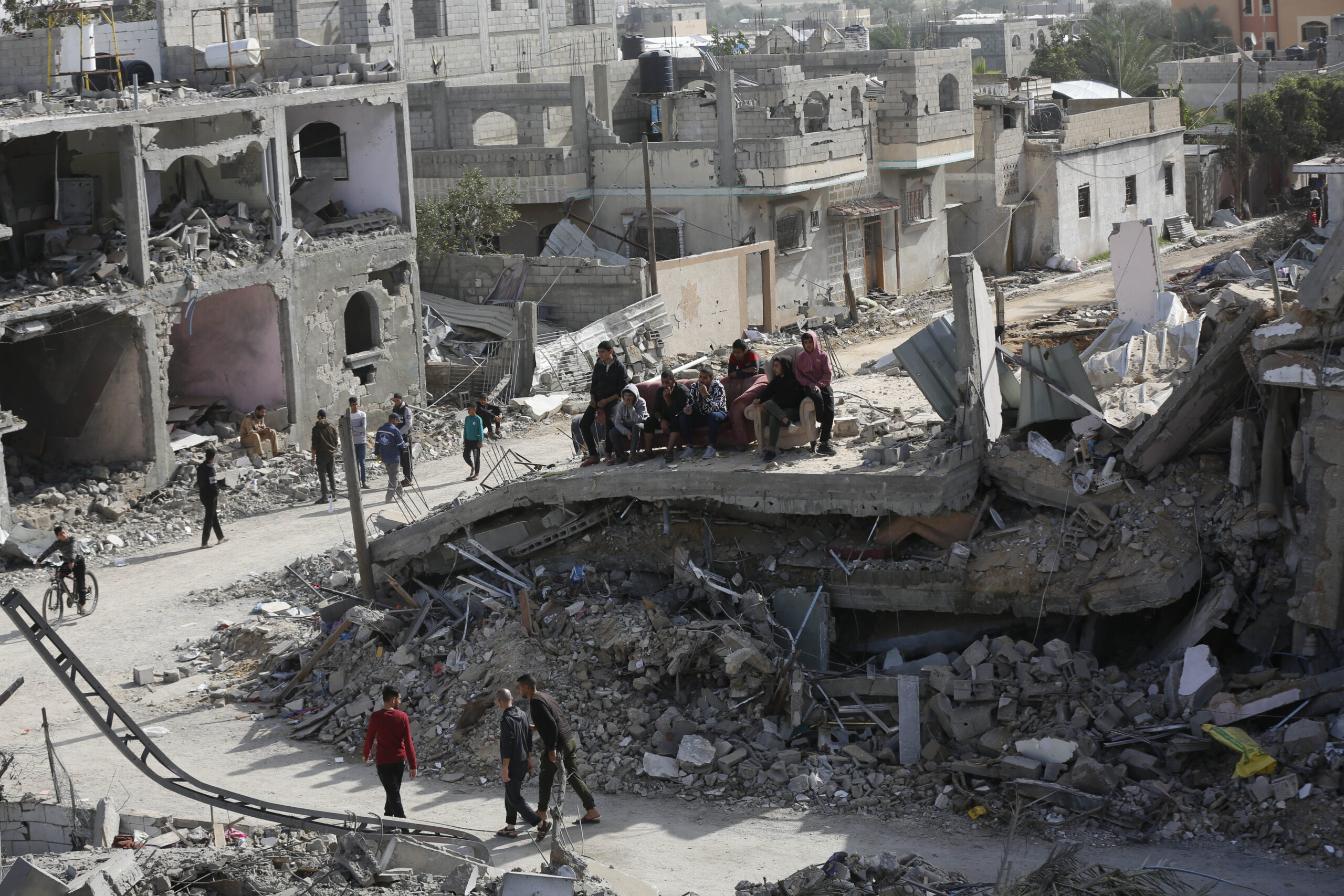
Nationalism and deep, narrow interests have traumatised the idea of civilisational progress. It is good for a few men, but it becomes a permanent gatekeeper of constant conflict. In its early avatar, nationalism made terrorism a means to achieve freedom and found many success stories like Algeria, but mostly a failed project that still haunts current societies. The unending suffering of Palestinians didn’t find any comfort. The clash of the Zionist regime vs the Islamist Hamas & Hezbollah has always legitimised terrorism. Pakistan always used terrorism as a core policy objective against India, but it didn’t provide any comfort to Kashmiris; rather, they became a permanent victim. Kashmiri Hindus didn’t find any comfort in being Kashmiris either, despite New Delhi unleashing a full-scale war against militancy.
Nationalism is a half-baked project that still suffers from the great power politics and imperialist tendencies of the US-led West. They have delegitimised the idea of institutions like the UN, arming dictators across the world and playing victim until the chicken comes home to roost, like the incident of 9/11. On the contrary, religion is also inherently a producer of conflict and binaries when it crosses into the political path, limiting its philosophical persuasions. The most troubling element of religious nationalism and religious ideologies has been their source of legitimacy, coming from God. There is no structure. The evils of religion as an ideological force have claimed millions of lives, as the ancient and medieval mindset has found a modern reasoning to continue its horrors.
The radicalisation coming from scriptures gets legitimised by religious clergies in the name of God, but they forget that civilisation is a flowing river and can’t stop at anyone’s worldview or convenience. These twin towers have caused enough harm with their universal absurdities.
State vs Non-State
Terrorism can’t stop until there is no binary between state and non-state actions. Ironically, no state will ever accept being referred to as a terrorist state. But by all means, most states do indulge in terrorist activities by using non-state actors. There is a hierarchy in which the world order functions, and the non-state actors thrive because big powers have narrow interests and no universal and cosmopolitan sensibilities. The United Nations was formed to achieve a consensus among all states for peace and security, but it lacked the mechanism to prevent the absurdities of big powers in the name of national interest. Foreign policies are fundamentally a clash of national interests, and those with more power will have major claims to national interests. The idea of national interests needs to be settled with the idea of universal peace; otherwise, states will always find a reason to get away from terrorism. They will continue using non-state entities, whether religious or political, to achieve their interests. Big powers can’t have narrow interests.
Retreats of liberal practices
The world is more uncertain than ever before. The globalisation project failed to create a consensus among political, economic, and cultural spheres. Liberalism is arguably about giving meaning to individual potential, but the absurdities of nationalism, religion and the irresponsible nature of great powers have burdened it with fallacies. There is a world of difference between theory and practice. The majority of people don’t celebrate terrorism, but they neither have the agency to undo the damage in their specific names or identities, nor do they have the power to celebrate that liberalism had promised. Terrorism would remain a victim of many narratives and will be echoed by some forces as a legitimate means, but no claim could be greater than achieving civilisation. Clash of Civilisations was an absurd prophecy, and such organised ignorance will further pave the way for a new wave of terrorism.
Each life is equal; they need to thrive beyond the boundaries of any narrow interest, and no nation or religion is more sacred than that, not even anyone’s idea of God and the absurdities that come with it.